
The evolution of gambling tracing its roots through history
The evolution of gambling tracing its roots through history
The Ancient Origins of Gambling
The roots of gambling can be traced back to ancient civilizations, where it was often intertwined with religion and social practices. Archaeological findings suggest that ancient Chinese, Egyptians, and Greeks participated in games of chance, using rudimentary dice made from animal bones and other materials. These early forms of gambling were not just for entertainment; they played a significant role in decision-making and fortune-telling, reflecting a society’s views on luck and fate. In today’s world, exploring options like no verification casinos can offer a glimpse into more modern gaming practices.

In ancient Rome, gambling became a popular pastime among citizens and soldiers alike. The Romans introduced various games, including betting on gladiatorial contests. This expansion laid the groundwork for more organized forms of gambling, as bets were placed on outcomes ranging from chariot races to political events, further establishing gambling as a key aspect of entertainment in society.
The Middle Ages and Gambling’s Transformation
During the Middle Ages, gambling underwent a significant transformation as it was both embraced and condemned by different cultures. While some rulers implemented restrictions on gambling to curb its perceived negative effects, others recognized its economic potential. The establishment of public gaming houses and the emergence of card games signified a shift towards more regulated forms of gambling, paving the way for the modern casino.
This era also saw the rise of lotteries, which were used as a means to fund public projects. The popularity of these games indicated a societal acceptance of gambling as a legitimate form of raising funds, contrasting sharply with earlier views that considered it immoral. The duality of gambling’s reputation—celebrated for its entertainment value yet scrutinized for its risks—continued to evolve during this time.
The Birth of Modern Casinos
The 17th and 18th centuries marked a turning point in the evolution of gambling with the establishment of the first modern casinos. The Casino di Venezia, opened in Italy in 1638, set a precedent for the casino experience we know today, combining gaming with dining and social activities. This concept quickly spread across Europe, attracting a clientele that included nobility and wealthy merchants.
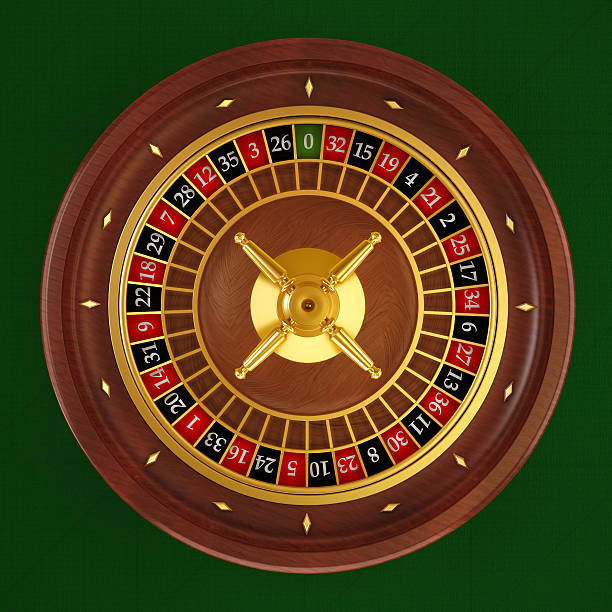
The introduction of games like roulette and baccarat transformed the gambling landscape, offering structured formats that appealed to players seeking thrill and strategy. The rise of these establishments heralded a new era in gambling, where opulence and atmosphere became as important as the games themselves, thus changing the perception of gambling from a mere pastime to an esteemed social activity.
The Global Expansion and Regulation of Gambling
The 19th and 20th centuries witnessed the global expansion of gambling, fueled by colonization and the spread of Western culture. This period saw the establishment of casinos in various countries, each adapting to local customs and regulations. Countries like the United States embraced gambling, especially in Las Vegas, where it became a major industry and tourist attraction, bringing both economic prosperity and regulatory challenges.
As gambling became more mainstream, governments began to implement stricter regulations to combat illegal operations and protect players. This led to the emergence of licensed establishments and state-run lotteries, which further legitimized gambling as a form of entertainment. The dichotomy of gambling as a source of revenue for governments while also being a potential vice for citizens was highlighted during this era.
Online Gambling and the Future
The digital revolution transformed the gambling landscape once again in the late 20th century with the advent of online casinos. This innovation made gambling accessible to millions worldwide, allowing players to enjoy their favorite games from the comfort of their homes. The rise of online gambling introduced new forms of gaming, including virtual slot machines and live dealer games, catering to a diverse audience.
As technology continues to evolve, the future of gambling looks promising, with virtual reality and blockchain poised to enhance the gaming experience. The ongoing debate over regulation and responsible gambling practices remains essential, ensuring that as the industry grows, players are protected and informed. The journey of gambling from ancient rituals to contemporary online platforms showcases its enduring appeal and adaptability.